Spiders and other Arachnids at UC Riverside
UCR research and extension on Spiders and other Arachnids
The myth of the brown recluse bite
Even in areas where Brown Recluse spiders do not occur, doctors and the public frequently diagnose a variety of lesions as brown recluse spider bites. The following articles written for different audiences address this issue:
An amusing yet educational rant regarding the lack of BR in California"The Myth of the Brown Recluse"
"The Myth of the Brown Recluse"A peer-reviewed article for the general public in UCDavis Pest Notes
"Brown recluse and other recluse spiders"
UC Statewide Integrated Pest Management Project Extension Bulletin #7468A peer-reviewed medical article discussing spiders that are confused for brown recluse
"Identifying and misidentifying the brown recluse spider"
Dermatology Online 5:2 1999Quotes from an article by a Missouri physician specializing in brown recluse bites
Quotes from a medical authorityLetter from a layman living in brown recluse habitat
Living with the Brown RecluseSee general review including spider bites below
Misdiagnoses of brown recluse bites
Doctors and the public frequently diagnose a variety of lesions
as brown recluse bites
A peer-reviewed article for the medical community discussing medical misdiagnosis of brown recluse bites
"Myth:idiopathic wounds are often due to brown recluse or other spider bites throughout the United States"
Western Journal of Medicine173:357-358 2000"Causes of necrotic wounds other than brown recluse spider bites"
Necrotic wounds are NOT always brown recluse bites, though often misdiagnosed as such.
RS Vetter Publications (click here)
Other information on Brown Recluse Spiders
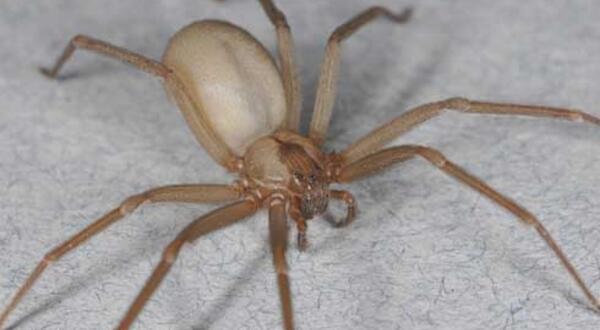
Identification of brown recluse spiders
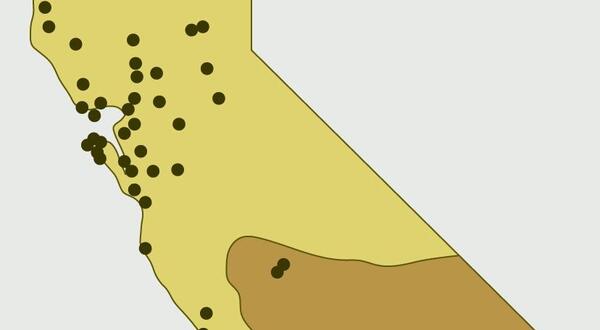
"Range of recluse (genus Loxosceles) spiders in the
United States"
A Map of distribution of
the Brown Recluse and other recluse spiders
"What you can do to avoid being bitten by a brown recluse spider"
Other Spider myths
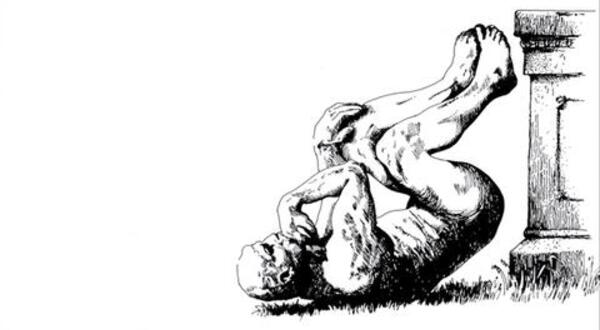
Have you seen that thumb?! A Brown Recluse Spider Hyperbole Event of 2003!!!
A series of images involving an alleged brown-recluse-caused
injury to a thumb have been whizzing around the internet. Once
again, hyperbole seems to be the order of the day and people
would rather panic than let rational thought prevail. See my
skeptical analysis here.
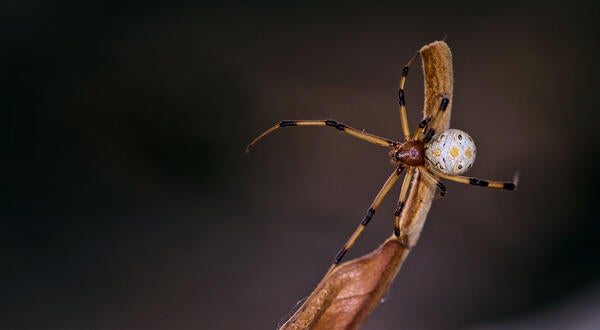
"Brown Widow Spiders in Southern California" The spider (Latrodectus geometricus) is real, and new, but the threat is far exaggerated.
"Internet spider hoax" Debunking a recent (9/99) hoax concerning the supposed "blush spider" Arachnius gluteus
"Daddy-longlegs myth": the myth claims "they are really poisonous, but can't bite people"
Other spider information
"Bites and stings of medically
important venomous arthropods."
An article on medical aspects of the bites and stings of venomous
arthropods, including spiders
International Journal of Dermatology 37:481-496 1998
Hobo spiders
A pdf reprint of a Pest Note
from the University of California (Pub. 7488) (also available
from UC Davis in html)
This reference is mostly pertinent to California, discussing
that Hobo spiders don't occur in California, and other spiders
for which they are mistaken)
Hobo spider distribution study, the results of a survey of possible hobo spiders previously solicited